
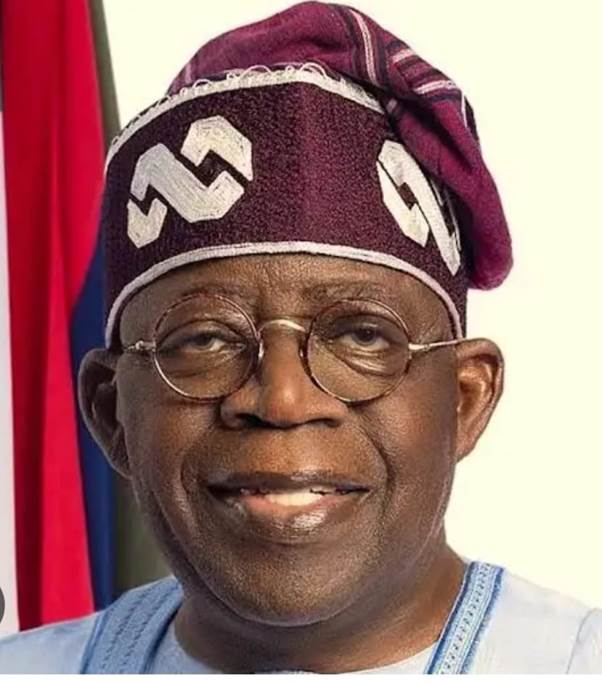
The conversation surrounding the Nigerian Education Loan Fund (NELFUND) has taken a sharp political turn following recent declarations by APC youth leadership. The message is clear: for beneficiaries of this landmark tuition scheme, the 2027 election is not just a civic exercise—it is a matter of “political gratitude” and program survival.
While some may view the call for support as an ultimatum, a deeper look at the Nigerian political climate reveals why this alignment is being framed as a necessity for the Nigerian student.
The Continuity Factor: Protecting the “Seed”
In Nigeria, we have a long history of “abandoned projects.” When a new administration takes over, they often disregard the initiatives of their predecessor to start their own from scratch. For a NELFUND beneficiary, this is the biggest risk.
President Bola Ahmed Tinubu did not just suggest a student loan; he signed it into law and put the machinery in place to ensure money actually reaches the schools and the students’ pockets. If a beneficiary decides to “look elsewhere” in 2027, they are essentially gambling with the hand that feeds their academic dreams. The “repercussion” here is the potential collapse of the fund under a new leadership that might not share the same vision for subsidized higher education.
The Argument for Reciprocity
Politics in our clime is built on a “social contract.” The government provides a lifeline, and in return, the citizens empower that government to continue its work.
A Vote for Stability: By supporting the 2027 re-election bid, beneficiaries are ensuring that the rules of their loans do not change midway.
Refining the Process: It is only a government that started a program that can truly fix its teething problems. Supporting Tinubu ensures that NELFUND moves from a “new project” to a “perfected system.”
Analysing the “Repercussions”: A Reality Check
When the APC youth leader speaks of repercussions, it is important to interpret this through the lens of Nigerian socio-politics rather than just legal threats.
The Risk of Policy Somersault
If the youth who are the primary stakeholders of NELFUND do not show a “united front” in supporting the administration, the political will to fund the scheme might dwindle. No government wants to pour billions into a demographic that remains “ungrateful” at the polls. The real repercussion is the political death of the student loan scheme. If the 2027 outcome does not favour the current administration, the NELFUND Act could be starved of funds, or the criteria could become so stringent that the “common man” can no longer access it.
The Moral Debt
There is a professional and moral argument that those who have benefited from a system should be its fiercest defenders. For a student who would have been a dropout if not for the “Renewed Hope” intervention, the choice for 2027 should be a matter of conviction.
Economic Alignment: The Long Game
The NELFUND is a loan, not a grant. The law says you must pay back 10% of your income once you start earning. This creates a direct link between the beneficiary and the government’s economic policies.
Job Creation: President Tinubu’s administration is currently undergoing painful but necessary reforms. The logic is that by 2027, these reforms will begin to produce the industrial jobs needed for graduates to earn and repay their loans.
Sustainability: If a different leader comes in and reverses these economic reforms, the value of the Naira or the availability of jobs might crash, making it impossible for beneficiaries to settle their debts, thereby crashing the whole NELFUND system.
”You cannot separate the loan from the leader. If the leader fails in 2027, the future of the loan becomes a giant question mark.”
A Call to Strategic Action

The statement from the APC youth wing is a wake-up call. It serves as a reminder that every benefit comes with a responsibility. As we approach 2027, NELFUND beneficiaries must realize that they are now part of the “Renewed Hope” story.
To ensure that the next generation of Nigerian students also enjoys this opportunity, the current beneficiaries must act as ambassadors. Supporting the President’s re-election is not just about party loyalty; it is about self-preservation. It is about ensuring that the bridge you used to cross the river of illiteracy is not broken behind you.
The “repercussions” of a divided youth front are too heavy for the Nigerian education sector to bear. The professional choice, therefore, is to stand with the vision that has already put books on your table and a degree within your reach.