
How to Remove Acne from Your Face Naturally and Effectively.
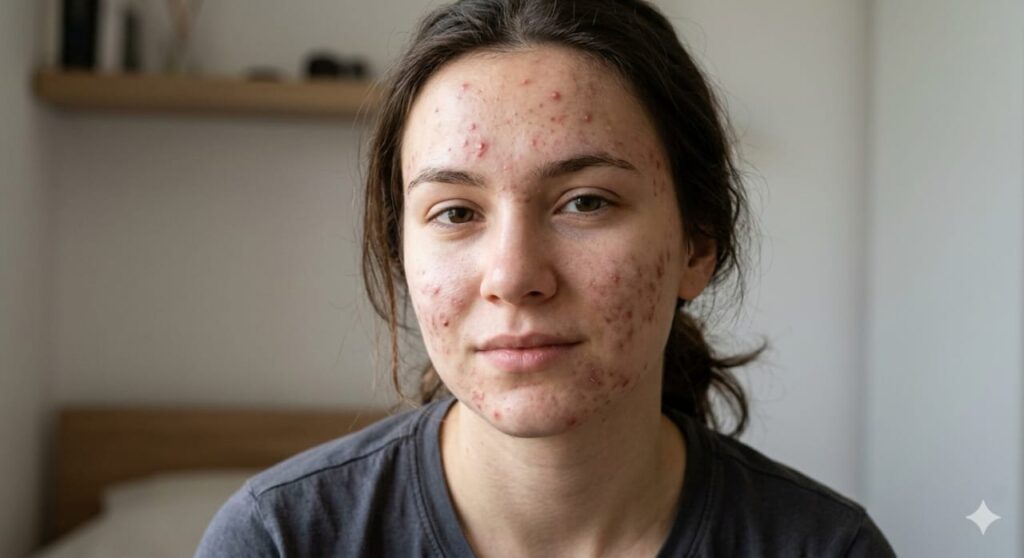
Acne remains one of the most common skin concerns affecting millions of people worldwide. From teenagers dealing with hormonal changes to adults facing stress-related breakouts, acne can affect confidence, appearance, and emotional well-being.
The good news is that clearer and healthier skin is achievable with the right skincare routine, healthy habits, and patience. While there is no instant miracle cure, consistent treatment and proper skin care can deliver visible improvement within a few weeks for many people.
This guide explains safe, practical, and science-backed ways to remove acne from your face and maintain healthier skin in 2026.
Important Disclaimer
This article is for educational purposes only and should not replace professional medical advice. Acne severity differs from person to person, and severe or persistent acne may require prescription treatment.
Always consult a dermatologist or qualified healthcare professional before starting new skincare products, especially if you have sensitive skin, allergies, or underlying health conditions.
Understanding Acne
Acne develops when hair follicles become blocked with excess oil, dead skin cells, and bacteria. Several factors contribute to breakouts, including:
- Hormonal changes
- Stress
- Genetics
- Diet
- Poor skincare habits
- Environmental factors
- Common types of acne include:
- Whiteheads
- Blackheads
- Papules
- Pustules
- Nodules
- Cystic acne
Successful acne treatment focuses on addressing the root causes rather than only treating visible pimples.
1. Build a Gentle and Consistent Skincare Routine
Using too many harsh products can damage the skin barrier and worsen breakouts. A simple and consistent routine often works best.
Morning Skincare Routine
- Gentle Cleanser
- Use a non-comedogenic cleanser containing ingredients like salicylic acid or benzoyl peroxide for mild acne.
- Toner
- Choose alcohol-free toners with ingredients such as:
- Niacinamide
- Witch hazel
- Treatment Serum
- Use one active ingredient at a time, such as:
- Benzoyl peroxide
- Salicylic acid
- Adapalene
- Moisturiser
- Apply a lightweight oil-free moisturiser to maintain hydration.
- Sunscreen
- Always use a broad-spectrum sunscreen with SPF 30 or higher to protect your skin and prevent dark spots.
Evening Skincare Routine
Cleanser
Acne treatment product
Moisturiser
Spot treatment if necessary
Introduce active ingredients gradually to avoid irritation.
2. Use Proven Acne-Fighting Ingredients
Several dermatologist-recommended ingredients remain highly effective in 2026.
- Benzoyl Peroxide
- Helps kill acne-causing bacteria and unclog pores.
- Salicylic Acid
- Exfoliates inside pores and reduces inflammation.
- Retinoids (Adapalene or Tretinoin)
- Increase skin cell turnover and prevent clogged pores.
- Niacinamide
- Helps reduce excess oil production, redness, and irritation.
- Azelaic Acid
- A gentle ingredient that treats acne while helping fade dark spots and acne marks.
- Always patch-test new products and begin slowly, especially if you have sensitive skin.
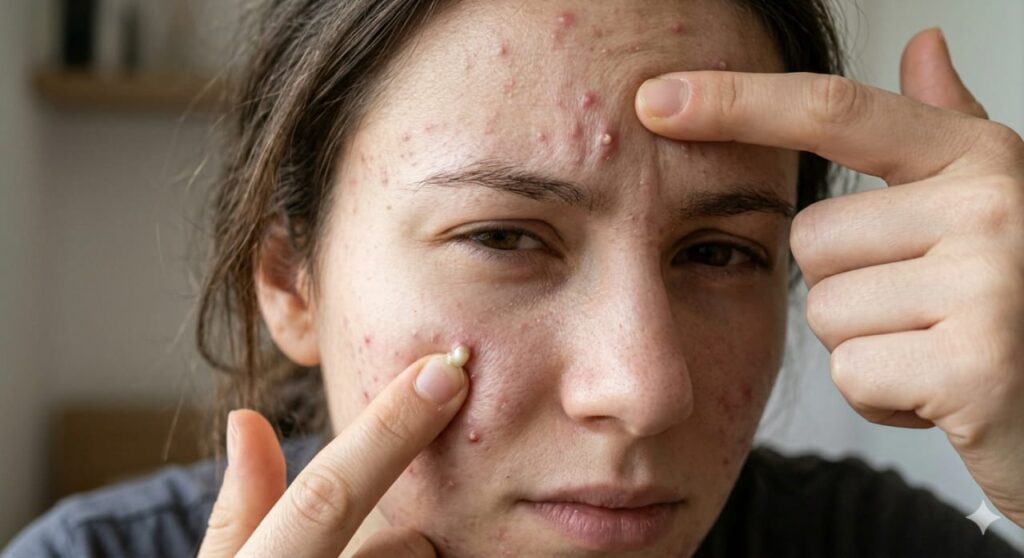
- Avoid Picking or Squeezing Pimples
- Picking acne can:
- Spread bacteria
- Increase inflammation
- Cause permanent scarring
- Slow down healing
- Instead of squeezing pimples, apply proper spot treatments or seek professional extraction from a dermatologist when necessary.
- Improve Your Diet and Stay Hydrated
Diet may influence acne in some people, especially when consuming excessive processed foods and sugar.
- Foods That Support Healthy Skin
- Vegetables
- Fruits
- Whole grains
- Lean proteins
- Omega-3-rich foods like fish, nuts, and seeds
- Foods to Reduce
- Sugary snacks
- Excess dairy products
- Refined carbohydrates
- Excessive fast food
- Drinking enough water daily also supports healthy and hydrated skin.
- Most people benefit from approximately 2.5–3.5 litres of water daily depending on activity level and climate.
5. Manage Stress and Hormonal Triggers
Stress increases cortisol levels, which may trigger excess oil production and worsen acne.
- Healthy Stress Management Habits
- Regular exercise
- Prayer or meditation
- Quality sleep
- Relaxation activities
- Spending time with supportive people
- Women experiencing hormonal acne around the jawline may benefit from tracking their menstrual cycle and discussing treatment options with a doctor.
6. Keep Hair, Hands, and Personal Items Clean
- Bacteria and oil from everyday surfaces can contribute to breakouts.
- Important Hygiene Tips
- Wash pillowcases weekly
- Clean phone screens regularly
- Avoid touching your face unnecessarily
- Keep oily hair away from the face
- Use clean towels daily
- Small hygiene habits can make a noticeable difference over time.
7. Use Non-Comedogenic Products
- Choose skincare and makeup products labelled:
- “Non-comedogenic”
- “Oil-free”
- Heavy and oily products may clog pores and worsen acne.
- This applies to:
- Makeup
- Sunscreen
- Moisturisers
- Hair products
8. Add Weekly Acne Treatments
- Extra treatments can help improve stubborn acne when used properly.
- Helpful Weekly Treatments
- Gentle Chemical Exfoliation
- Use 2–3 times weekly to remove dead skin cells.
- Clay Masks
- Kaolin or bentonite clay masks help absorb excess oil.
- LED Light Therapy
- Blue light therapy devices remain popular in 2026 for reducing acne-causing bacteria at home.
- Avoid overusing exfoliants, as excessive treatment may irritate the skin.
9. Consider Professional Acne Treatments
- Moderate to severe acne may require professional care.
- Common Dermatologist Treatments
- Prescription retinoids
- Antibiotics
- Chemical peels
- Laser treatments
- Professional facials
- Isotretinoin for severe acne cases
- Early treatment helps reduce the risk of permanent scarring.
10. Be Patient and Monitor Your Progress
- Acne treatment takes time and consistency.
- Some people experience temporary purging when starting active ingredients like retinoids or acids. This is often part of the adjustment process.
- Helpful Tips
- Take weekly progress photos
- Use consistent lighting
- Avoid changing products too quickly
- Stay patient with the process
- Significant improvement often appears within 8–12 weeks.
- Lifestyle Habits That Support Clear Skin
- Healthy lifestyle choices can improve both skin health and overall well-being.
- Healthy Skin Habits
- Exercise regularly
- Sleep well
- Avoid smoking
- Limit alcohol intake
- Change bedsheets weekly
- Use clean towels
- Avoid sharing skincare tools
- Some people also benefit from supplements such as zinc, probiotics, or omega-3 after speaking with a healthcare professional.
- Common Mistakes That Worsen Acne
- Avoid these common skincare mistakes:
- Over-washing the face
- Using harsh scrubs
- Mixing too many active ingredients
- Stopping treatment too early
- Using irritating home remedies like lemon or toothpaste
- Ignoring stress, sleep, and nutrition
- Gentle consistency is usually more effective than aggressive treatment.
Realistic Expectations

Mild acne often improves with over-the-counter products and healthy habits. Moderate or severe acne may require professional support from a dermatologist.
The goal should be healthier and clearer skin — not unrealistic perfection.
Many people maintain long-term improvement by making skincare and healthy habits part of their daily routine.
Final Thoughts
Removing acne from your face requires patience, consistency, and the right strategy. Start with a gentle skincare routine, use proven ingredients carefully, improve your diet and lifestyle, and seek professional help when necessary.
Remember that consistency matters more than perfection. Healthy skin develops gradually through good habits and proper care.
With the right approach, many people experience significant improvement in acne, confidence, and overall skin health within a few months.
Start making small positive changes today, stay committed to your routine, and give your skin the time it needs to heal naturally.