Fuel prices in Nigeria have continued to rise in recent months, causing concern among citizens, transport operators, business owners, and students. The increase in petrol prices has affected daily life across the country, especially in major cities such as Lagos, Abuja, Kano, and Port Harcourt. Many Nigerians now spend more money on transportation, food, and other basic needs than they did a few months ago.
REASONS AND EFFECTS ON DAILY TRANSPORTATION
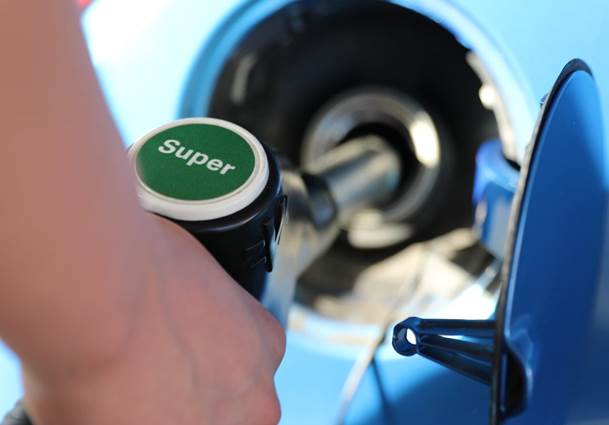
One major reason for the increase in fuel prices is the removal of fuel subsidy by the Nigerian government. Fuel subsidy was a system where the government paid part of the cost of petrol to make it cheaper for citizens. After the subsidy was removed, marketers and filling stations began selling petrol at prices determined by market conditions. This caused a sharp increase in pump prices across the country.
Another factor responsible for the increase is the high exchange rate of the Naira against the Dollar. Since Nigeria imports a large amount of refined petroleum products, marketers spend more money purchasing and transporting fuel into the country. The rising cost of transportation, storage, and distribution has also contributed to higher fuel prices.
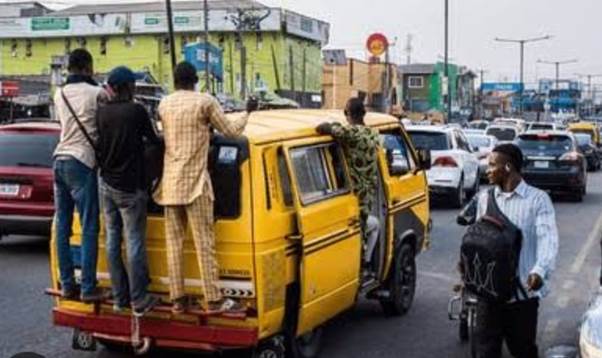
Transportation fares have increased significantly because commercial drivers now spend more money buying fuel. In many Nigerian cities, bus fares, taxi fares, and motorcycle transport charges have doubled. Students, workers, and traders who travel daily are finding it difficult to cope with the rising transportation costs. Some transport companies have reduced the number of trips they make daily because of the high cost of fuel.
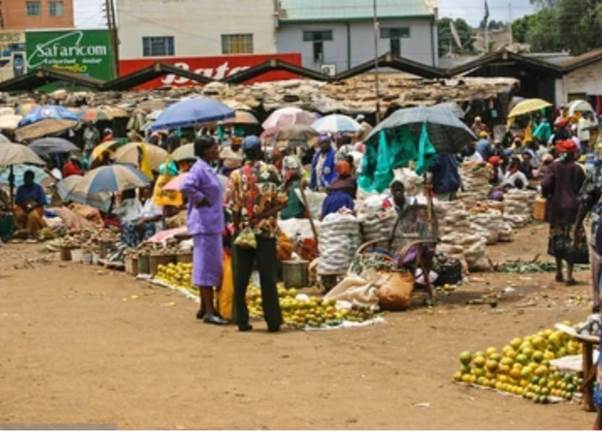
Food prices have also increased due to higher transportation expenses. Farmers and food suppliers now pay more money moving goods from villages and farms to urban markets. As a result, the prices of rice, tomatoes, beans, Garri, yam, and other food items have gone up in many parts of Nigeria. Small business owners are also struggling because they spend more on transportation and electricity generators powered by fuel.
Many Nigerians have reacted negatively to the fuel price increase. Some citizens believe the government should provide alternative solutions to reduce hardship on ordinary people. Others have called for improved public transportation systems and better support for local refineries to reduce dependence on imported fuel.
One of the major critics of the decision of fuel subsidy removal is the former Labour Party (LP) presidential flag bearer Peter Obi. who blamed the current Government of His Excellency President Ahmed Bola Asiwaju Tinibu of creating unnecessary and Avoidable hardship to average Nigerians. He was seen earlier of the year pricing foods on the market.
Check out this video, “video of peter obi pricing groundnut” https://share.google/ACaAzrLSZ4iZgTzEW
Economic experts believe that although the removal of subsidy may help reduce government spending in the long term, the sudden increase in fuel prices has created short-term hardship for many families. Some experts also advise the government to invest more in local refining, improve road networks, and strengthen the economy to reduce inflation.
To cope with the current situation, Nigerians are encouraged to plan transportation carefully, reduce unnecessary travel, and consider cost-saving options such as carpooling or public transportation. Business owners can also look for ways to reduce operational costs and manage resources effectively during this difficult period.
The increase in fuel prices remains one of the biggest economic challenges facing Nigeria today. While many citizens hope for stability in the future, the current situation continues to affect transportation, food prices, and the general cost of living across the country.