
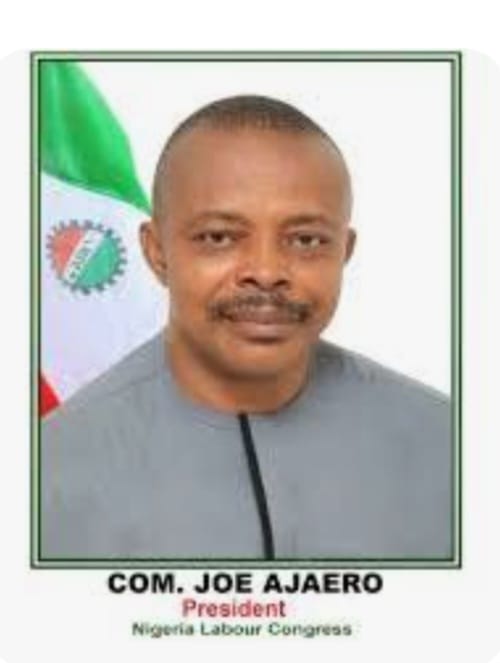
Nigeria’s electricity sector has once again become the centre of public discussion following strong remarks from the leadership of the Nigeria Labour Congress (NLC). The comments have renewed conversations about the long-standing problems facing electricity generation, distribution, and supply across the country.
For many Nigerians, unstable electricity is more than just an inconvenience. It affects businesses, education, healthcare, security, and the overall cost of living. Despite years of reforms, privatization, and government interventions, millions of citizens still struggle with poor power supply on a daily basis.
The latest criticism has highlighted growing frustration over the condition of the nation’s electricity sector, especially at a time when households and businesses are spending heavily on fuel, generators, and alternative power sources just to survive.
Why Nigeria’s Electricity Sector Remains a Major Concern
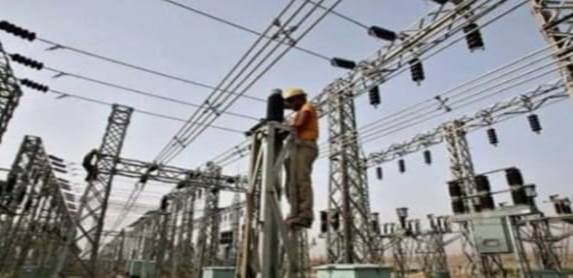
Nigeria is Africa’s largest economy and one of the continent’s most populated countries. Yet, stable electricity supply remains a major challenge. In many communities, residents experience repeated blackouts that can last for several hours or even days.
Small businesses such as barbing salons, cold rooms, cybercafés, restaurants, and welding shops depend heavily on electricity to operate. When power supply becomes unreliable, these businesses are forced to spend more money on petrol and diesel generators. As fuel prices continue to rise, operating costs have increased sharply.
Many Nigerians believe the country should be generating far more electricity considering its population size and economic potential. However, the gap between electricity demand and supply remains very wide.
The Impact of the 2013 Power Sector Privatization
One of the biggest changes in Nigeria’s electricity industry happened in 2013 when the federal government privatized the former Power Holding Company of Nigeria (PHCN). The reform was introduced with the expectation that private investors would improve efficiency, modernize infrastructure, and increase electricity supply nationwide.
Under the arrangement, the sector was divided into three major areas:
- Generation companies responsible for producing electricity
- Transmission agencies responsible for moving electricity across the national grid
- Distribution companies responsible for supplying power to homes and businesses
At the time, many Nigerians welcomed the reform with hope. Citizens expected better service delivery, improved infrastructure, and fewer power outages.
However, more than a decade later, many people argue that the expected transformation has not fully materialized. Electricity supply remains inconsistent in several parts of the country, while tariffs continue to increase.
Rising Tariffs and Public Frustration
Another issue creating tension is the recent increase in electricity tariffs under the Band system introduced by regulators. Under this structure, customers are grouped into different categories based on the number of electricity hours they are expected to receive daily.
Band A customers, for example, are expected to receive longer hours of electricity supply but also pay significantly higher tariffs compared to other consumers.
While officials argue that the policy is designed to improve service delivery and attract investment, many Nigerians believe the increase has placed additional financial pressure on households already battling inflation and economic hardship.
In several cities across the country, residents have complained that they still experience blackouts despite paying higher electricity bills.
Businesses Continue to Struggle
Nigeria’s unstable electricity supply has continued to affect businesses of all sizes. For small and medium-scale enterprises, energy costs now consume a large portion of their operating expenses.
Manufacturing companies also face serious challenges because of high energy costs. Some factories rely almost entirely on generators to keep production running. This situation increases the cost of goods and services, which is eventually passed on to consumers.
Economic experts have repeatedly stated that stable electricity remains one of the key requirements for industrial growth, job creation, and economic development in Nigeria.
Without reliable power supply, many businesses struggle to compete effectively.
Concerns Over Corruption and Mismanagement
Another major concern frequently raised about the electricity sector is the issue of corruption and poor management. Critics argue that years of financial interventions and policy changes have not produced the expected improvements because of weak oversight and inefficiency.
Questions have also been raised about the financial strength and technical capacity of some operators managing electricity assets across the country.
Some stakeholders believe that several companies entered the sector without sufficient long-term investment plans. Others argue that poor infrastructure, outdated equipment, and heavy debts continue to limit progress within the industry.
These concerns have fuelled public calls for stronger reforms and greater accountability in the management of the nation’s power sector.
Electricity Generation Still Falls Below Demand
Nigeria’s electricity generation capacity remains far below what is needed for a country of over 200 million people. Experts have often pointed out that many developed countries generate significantly more electricity despite having smaller populations.
Although improvements have been recorded in some areas over the years, transmission challenges and frequent grid collapses continue to disrupt supply nationwide.
The national grid has experienced multiple breakdowns in recent years, leaving several states in darkness for hours. Such incidents further weaken public confidence in the sector.
Government Promises More Reforms
The federal government has continued to promise reforms aimed at improving electricity supply across the country. Authorities say efforts are ongoing to attract investment, upgrade infrastructure, and improve service delivery.
Officials also believe that expanding renewable energy solutions such as solar power could help reduce pressure on the national grid, especially in rural communities.
Many Nigerians, however, remain cautious. After decades of promises and reforms, citizens are waiting to see real and measurable improvements in electricity supply.
Nigerians Want Practical Solutions
For ordinary Nigerians, the debate over electricity is deeply personal. Families want stable power for their homes. Students need electricity for learning. Hospitals require reliable power to save lives. Businesses need affordable energy to survive and grow.
The continued public criticism of the electricity sector reflects growing frustration among citizens who believe the country should have achieved better results after years of reforms and massive investments.
As discussions continue, many people are hoping that the renewed attention on the power sector will push authorities and stakeholders toward practical solutions that can finally improve electricity supply across Nigeria.