

Many women become concerned about vaginal tightness and pelvic floor strength after childbirth, during menopause, or as they grow older. In most cases, the issue is not that the vagina has permanently “stretched,” but that the pelvic floor muscles supporting the vagina, bladder, and uterus have weakened over time.
The good news is that there are safe and natural ways to improve pelvic floor strength, muscle tone, bladder control, and sexual wellness without surgery. With consistency and proper care, many women notice significant improvement within a few weeks.
This guide explains the most effective natural methods to tighten the vagina safely while improving overall feminine health and confidence.
Important Medical Disclaimer
This article is for educational purposes only and should not replace professional medical advice. Results differ from person to person. If you experience pain, vaginal prolapse, urinary leakage, severe discomfort, or difficulty controlling bowel movements, consult a qualified healthcare provider, gynaecologist, or pelvic floor physiotherapist before beginning any exercise routine.
Understanding Vaginal Tightness
The vagina is naturally elastic and designed to expand and contract. However, factors such as pregnancy, childbirth, hormonal changes, ageing, obesity, chronic coughing, and lack of exercise can weaken the pelvic floor muscles.
When these muscles lose strength, some women may experience:
- Reduced vaginal tone
- Lower bladder control
- Reduced sexual sensation
- Feeling of heaviness in the pelvic area
Strengthening the pelvic floor can help improve these symptoms naturally.
- Kegel Exercises – The Most Effective Natural Method
Kegel exercises remain the gold standard for naturally tightening the vagina and strengthening pelvic floor muscles.
How to Do Kegel Exercises Properly
To identify the correct muscles, try stopping your urine midway while urinating. Once identified, avoid doing this regularly as it may affect bladder health.
Steps:
- Tighten the pelvic floor muscles
- Hold the contraction for 5–10 seconds
- Relax for another 5–10 seconds
- Repeat 10–15 times per session
- Perform 3 sessions daily
As your muscles become stronger, gradually increase the duration and repetitions.
Advanced Kegel Techniques
You can improve results by practising:
- Quick contractions (“quick flicks”)
- Long muscle holds
- Kegels while sitting, standing, and lying down
Many women notice better control and improved tightness sensation within 4–8 weeks of consistency.
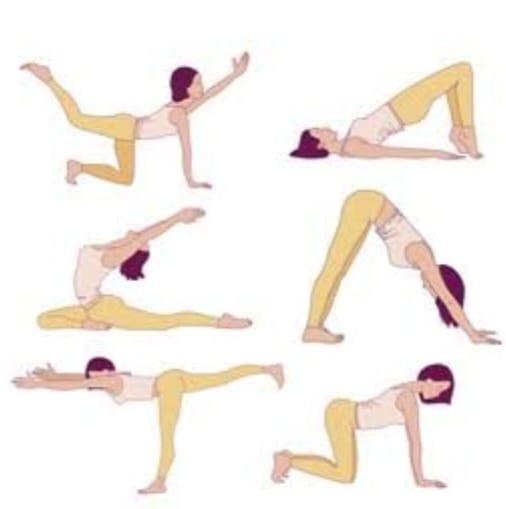
2. Practise Yoga and Pelvic Floor Exercises
Certain yoga poses naturally strengthen the pelvic region and improve circulation around the vagina.
- Recommended Yoga Poses
- Bridge Pose (Setu Bandhasana)
- Deep Squats
- Happy Baby Pose
- Warrior Pose
- Mula Bandha (Root Lock)
Pilates and core-strengthening workouts also help support the pelvic floor and improve muscle stability.
- Maintain a Healthy Weight

Excess body weight places additional pressure on the pelvic floor muscles. Maintaining a healthy weight through proper nutrition and regular exercise can reduce strain and improve vaginal muscle tone naturally.
Simple lifestyle changes such as walking, light cardio, and strength training can make a noticeable difference over time.
- Eat Foods That Support Muscle and Collagen Health

Good nutrition plays a major role in tissue repair and muscle strength.
Best Foods for Pelvic Floor Health
Protein-Rich Foods
This help repair and strengthen muscles:
- Eggs
- Fish
- Beans
- Chicken
- Lean meat
- Collagen-Boosting Foods
- Citrus fruits
- Berries
- Leafy vegetables
- Bone broth
- Zinc and Magnesium Sources
- Nuts
- Seeds
- Whole grains
- Stay Hydrated
Drink enough water daily to support tissue elasticity and prevent constipation. Most women benefit from about 2.5–3.5 litres of water daily, depending on activity level and climate.
Reduce excessive caffeine and alcohol intake, as they may irritate the bladder.
5. Use Vaginal Weights Carefully
Some women use medical-grade vaginal weights or training cones to strengthen pelvic muscles progressively.
If you choose this option:
- Start with the lightest weight
- Maintain proper hygiene
- Follow instructions carefully
- Seek guidance from a pelvic floor specialist if unsure
- Avoid unsafe or unverified products.
6. Avoid Habits That Weaken the Pelvic Floor
Certain everyday habits can weaken the pelvic muscles over time.
Habits to Avoid
- Straining during bowel movements
- Heavy lifting with poor posture
- Untreated chronic coughing
- Smoking
- Persistent constipation
Eating fibre-rich foods and staying hydrated can help prevent unnecessary strain.
7. Practise Deep Breathing and Relaxation
Stress and poor breathing habits may affect pelvic floor function. Deep diaphragmatic breathing improves muscle coordination and relaxation.
Mindfulness exercises and controlled breathing techniques can also support better pelvic health and reduce tension in the lower abdomen.
8. Maintain Healthy Sexual Activity
Regular and safe sexual activity may help maintain muscle tone through natural contraction and relaxation of the pelvic muscles.
Open communication, emotional connection, and comfort are equally important for intimacy and satisfaction.
9. Follow a Proper Postpartum Recovery Routine
After childbirth, the pelvic floor muscles need time and gradual strengthening.
Helpful Postpartum Tips
- Begin gentle Kegel exercises only after medical approval
- Schedule a pelvic floor assessment within 6–8 weeks after delivery
- Combine adequate rest with light strengthening exercises
- Avoid rushing recovery
Consistency is more important than intensity during postpartum healing.
10. Consider Professional Pelvic Floor Therapy
If home exercises do not produce enough improvement, pelvic floor physiotherapy can help significantly.
A pelvic floor specialist may use:
- Biofeedback therapy
- Guided exercises
- Manual therapy
- Personalised strengthening plans
- This remains one of the most effective non-surgical treatment options available today.
- Realistic Expectations
- Natural methods can improve:
- Pelvic muscle tone
- Sexual sensation
- Confidence
- Bladder control
- Overall feminine wellness
However, severe vaginal laxity after multiple childbirths or menopause may require medical treatments such as laser therapy or surgery for more dramatic changes.
Focus on overall pelvic health rather than unrealistic perfection.
Signs You Should See a doctor
Consult a healthcare professional if you experience:
- Vaginal heaviness or bulging
- Urinary leakage
- Pain during intercourse
- Difficulty controlling stool or gas
- Persistent pelvic discomfort
- Early medical attention can prevent complications.
Final Thoughts
Naturally tightening the vagina is possible for many women through regular pelvic floor exercises, healthy nutrition, proper hydration, and consistent self-care habits.
Kegel exercises remain the simplest and most effective starting point for improving pelvic strength and vaginal tone naturally. Most women begin to notice changes within 6–12 weeks of daily practice.
It is also important to remember that intimacy and sexual satisfaction depend on much more than tightness alone. Emotional connection, communication, comfort, and overall wellness play a major role in healthy relationships.
Prioritise your pelvic health, stay consistent with your routine, and seek professional help whenever necessary. A stronger pelvic floor improves confidence, bladder control, posture, and long-term feminine wellness.
Start small, stay consistent, and allow your body the time it needs to strengthen naturally.